Author Archive

What Happens When a Driver Hits a Pedestrian in a Crosswalk and Flees?

A pedestrian lying injured in a marked crosswalk in Houston while a car drives away, with the walk signal illuminated to indicate it was safe to cross.

A Houston man recently lost his life after being hit by a silver-colored Toyota Camry on Lockwood Drive's 5000 block in Houston. The incident occurred approximately 3:55 a.m. while the pedestrian was using a designated crosswalk. Officials from the Houston Police Department have launched an investigation into the collision. The Harris County Institute of Forensic Sciences will confirm the deceased individual's name, city officials stated

According to witness accounts, the motorist circled back briefly following a U-turn near Rand Street before departing without providing assistance to the victim. Emergency responders with Houston's Fire Department reached the location and pronounced the man deceased, according to statements from the HPD Vehicular Crimes Division provided through city communications.

What duties does a driver have after hitting a pedestrian?

In every state, drivers have a legal duty to stop after a crash that results in injury, death, or property damage. That duty exists even if the driver believes the pedestrian caused the collision or appears only mildly injured. The law places special emphasis on collisions with pedestrians because they are unprotected and far more likely to suffer serious harm.

Once a driver strikes a pedestrian, they are typically required to:

  • Stop immediately and remain at or near the scene until they have fulfilled their legal obligations.
  • Provide their name, contact details, and insurance information to the injured person and responding officers.
  • Take reasonable steps to secure medical help, usually by calling 911 and staying until emergency responders arrive.

“Rendering aid” doesn't mean the driver must perform medical procedures, but they must not abandon an injured person without trying to get help. Leaving temporarily to summon emergency services in a truly isolated area is treated very differently from fleeing to avoid responsibility, especially if the driver returns promptly and cooperates.

The digital paper trail: Why we act fast

Houston is blanketed in cameras, but they don't record forever. In hit-and-run pedestrian cases, we look for:

  • METRO bus footage: If a city bus was nearby, its cameras may have captured the fleeing vehicle.
  • TxDOT & city traffic cameras: Identifying the Toyota’s path of travel via intersection cameras.
  • Commercial security footage: Nearby gas stations and warehouses on Lockwood often have high-resolution feeds that can catch a partial license plate.
  • Doorbell cameras: In residential areas, Ring and Nest cams are often the "star witness" in identifying a silver Camry or similar vehicle.

What criminal consequences can hit-and-run drivers face?

When a driver leaves the scene after hitting a pedestrian in a crosswalk, they can face separate criminal charges for the act of fleeing, apart from any charges related to causing the crash. In many states, a hit-and-run that causes injury is a serious misdemeanor or felony, and a hit-and-run involving death is almost always charged as a felony.

Potential penalties can include substantial fines, probation, court-ordered classes, and years in prison for cases involving serious injury or death. Drivers may also face related charges such as DUI, reckless driving, or vehicular homicide if they were speeding, impaired, or driving in an extremely dangerous manner. A felony hit-and-run conviction can affect immigration status, professional licenses, and employment prospects because it creates a permanent criminal record.

What civil liability does a fleeing driver face?

Even if criminal charges are never filed or don't result in a conviction, the driver can be sued in civil court by the injured pedestrian or the family of someone who is killed. Civil cases focus on compensation rather than punishment and use a lower burden of proof, so they often proceed independently of criminal proceedings.

To recover compensation, the pedestrian or family generally must show that the driver was negligent. Which means the driver failed to use reasonable care, such as by:

  • Failing to yield to a pedestrian lawfully in a crosswalk.
  • Speeding, driving distracted, or ignoring traffic signals.
  • Driving while impaired by alcohol or drugs.

Available damages can include medical bills, future treatment, lost income, reduced earning capacity, and pain and suffering. In fatal cases, wrongful death claims may seek funeral costs, loss of financial support, and loss of companionship for surviving family members.

What happens if the driver is never identified?

Sadly, many hit-and-run drivers are never found, leaving families grieving without a clear person to hold accountable. Even then, there are often other paths to financial recovery, though they vary depending on the pedestrian’s insurance and state law.

In many cases, injured pedestrians or the families of those killed can pursue compensation through:

  • Uninsured motorist (UM) coverage on their own auto policy, which can apply even when the at‑fault driver is unknown, if policy terms are met.
  • Personal injury protection (PIP) or medical payments coverage to help with immediate medical expenses regardless of fault.
  • State crime‑victim compensation funds that may help with medical bills, counseling, or funeral expenses, subject to strict limits and eligibility rules.

Because these options often involve short deadlines and complex rules, speaking with an experienced injury lawyer early is usually important to avoid missing coverage or filing windows. On the emotional side, families in unresolved cases often face added trauma from the lack of closure and may turn to counseling or advocacy for safer streets and stronger hit‑and‑run enforcement as part of their healing process.

Did you know? Your own car insurance protects you on foot

In Texas, if you have Uninsured/Underinsured Motorist (UM/UIM) coverage on your personal auto policy, it typically "follows" you. This means if you are struck by a hit-and-run driver while walking in a Houston crosswalk, you can file a claim against your own insurance company to cover your medical bills and pain and suffering. At Smith & Hassler, we help clients navigate these "first-party" claims to ensure their own insurers treat them fairly.

Frequently asked questions: Houston pedestrian laws

Does a pedestrian always have the right of way in a Houston crosswalk?

According to Texas Transportation Code § 552.003, if there is no traffic signal, a driver must yield the right of way to a pedestrian in a crosswalk when the pedestrian is on the half of the roadway the vehicle is traveling on. However, the law also states a pedestrian cannot suddenly leave a curb and walk into the path of a vehicle that is so close it is impossible for the driver to yield.

What if I was hit just outside the white lines of the crosswalk?

Insurance companies will try to use this to deny your claim, but "implied" crosswalks exist at most intersections. Even if you weren't perfectly between the lines, a driver still has a universal duty to exercise "due care" to avoid hitting a pedestrian.

What is the "Hit-and-Run" reward program in Houston?

Houstonians can often report information anonymously through Crime Stoppers of Houston. If your tip leads to a felony arrest, you may be eligible for a cash reward. Legally, an arrest also provides a "deposition" point to hold the driver accountable in a civil case.

What should pedestrians and drivers do after a crosswalk crash?

If you're hit by a car, immediate safety and medical care come first. If you're able, move out of traffic, call 911, and try to observe details about the vehicle, such as make, model, color, partial license plate, and the direction of travel. Taking photos of the crosswalk, signals, and surroundings, and asking witnesses to share contact information or video footage from phones, dashcams, or doorbell cameras can help preserve key evidence.

In the hours and days that follow, get thorough medical evaluations, follow treatment plans, and obtain a copy of the police report. Avoid giving recorded statements to any insurance company before seeking legal advice, because insurance companies may use those statements to reduce your compensation. Keeping organized records of medical bills, lost work, and communications makes it easier to document losses later.

Since 1989, Smith & Hassler has stood by the people of Houston. We don't just wait for the police to find the driver; we launch our own investigation to get the answers your family deserves. We provide the relentless legal representation required to secure the maximum compensation you deserve. Don’t wait for the insurance company to decide what your case is worth. Get help from an experienced Houston pedestrian accident lawyer.

We offer a free, no‑obligation consultation and handle cases on a contingency fee basis, which means you pay nothing unless we win your case. Contact us today to schedule your free consultation.

“The attorney who helped me was very knowledgeable, quick to respond to my e-mails, answered all of my questions in detail, and just made the whole process so easy and convenient for me. He worked very hard through my entire case to ensure that I would be taken care of, and I am very thankful for his help.” – J.B., ⭐⭐⭐⭐⭐

Houston Approves Ordinance Banning Pedestrians From Narrow Medians

Busy highway in Houston with vehicles traveling toward the downtown skyline under a partly cloudy sky.

Pedestrian accident victims still have legal rights

Houston leaders have taken a step they say is about preventing pedestrian accidents and keeping people alive on some of the city’s fastest, most dangerous roads. In an 11–2 vote, the City Council approved a new ordinance that makes it illegal to sit, stand, or walk on median strips six feet wide or less. The rule also applies to the space between divided roadways where no median exists. Council Members Tiffany Thomas and Letitia Plummer voted no.

“This is 100% about public safety,” Council Member Mary Nan Huffman said. “We’ve seen too many close calls — people with children, pets, even wheelchairs standing in areas that were never meant for foot traffic.”

While the ordinance seeks to reduce risk on dangerous roads, it also raises important questions about pedestrian safety, driver accountability, and what legal options are available when someone is hit by a car. For injured pedestrians and their families, knowing your rights is just as important as understanding the rules.

What exactly changes under the new rule

The ordinance creates Section 45-111 of the Houston Code of Ordinances. It prohibits anyone from being on narrow median strips that are six feet wide or less. It also covers the painted or paved separation between divided lanes when no physical median is present. The restriction applies to sitting, standing, and walking. Violations are Class C misdemeanors, which carry a fine of up to $500.

Supporters say these narrow strips were never designed for people to use as waiting zones or resting spots. That risk is amplified on high-speed corridors such as Westheimer, where drivers expect continuous flow and sight lines are limited. A person standing on a sliver of concrete inches from traffic has little room to recover if a driver drifts, a truck’s mirror extends, or a chain reaction crash pushes vehicles toward the edge of the lane.

“We’ve had constituents tell us they’ve seen people with children, pets, even individuals in wheelchairs trying to balance on medians just a few feet wide,” Huffman said. “They were installed to keep drivers on both sides of the roads safe. We don’t want humans standing on them.”

The ordinance includes common-sense carveouts, such as:

  • Pedestrians who are crossing the road directly
  • Emergency situations
  • Authorized city work with proper permits
  • Other legally permitted activities

How is enforcement expected to work?

Once in effect, the ordinance allows Houston Police Department officers to issue warnings or citations. Officers will likely start with education, not tickets. “HPD officers have discretion,” said Hoffman. “We expect they’ll start by educating people about the new rules before issuing any fines.”

Like other Class C misdemeanors, violations are ticket-eligible with a maximum $500 fine. The city didn't outline a quota, a grace period, or specific hotspots, but officials indicated outreach will come first.

Some residents and advocates worry that enforcement could fall hardest on people who are unhoused or rely on roadside solicitation. Sponsors of the measure say the intent is safety, not criminalization.

What dangers do pedestrians face on Houston roads?

Houston is built around fast, wide roads that carry a large volume of traffic. That design leaves people on foot exposed. Crashes tend to be more severe on multilane corridors where drivers speed up and sight lines are tight. Here are the hazards that put pedestrians at risk and why they matter:

  • High speeds on arterials reduce reaction time and make injuries more severe.
  • Wide multilane crossings force long walks while drivers turn from several lanes.
  • Short walk signals do not give kids, seniors, or people using mobility devices enough time to cross.
  • Right turns on red lead drivers to watch for cars and miss people in the crosswalk.
  • Left-turn gaps tempt quick moves that cut through occupied crosswalks.
  • Distracted driving involves looking at phones or screens instead of the road.
  • Impaired or drowsy driving slows reaction time and clouds judgment.
  • Poor lighting at night makes it harder to see dark clothing and unmarked crossings.
  • Missing or broken sidewalks push people to the roadway edge.
  • Narrow or absent refuge islands leave no safe place to pause on multilane roads.
  • Driveway and curb-cut clutter creates frequent in-and-out vehicle movements across sidewalks.
  • Large trucks and SUVs strike higher on the body, causing more severe head and chest injuries.
  • Work zones close sidewalks and force confusing detours into traffic.

Why this matters for injured pedestrians in Houston

Houston’s decision to restrict access to narrow medians highlights just how unsafe some of the city’s busiest roads have become for people on foot. But ordinances alone won’t stop drivers from making reckless choices. Every day, pedestrians are hit by cars while crossing legally, walking near intersections, or simply trying to navigate broken or incomplete sidewalks.

When a driver fails to yield, speeds through a crosswalk, or turns without looking, the consequences can be life-altering. And while the new ordinance may reduce risk in certain spots, it doesn’t protect pedestrians from negligent drivers who break the rules.

If you or someone you love has been injured in a pedestrian crash, the law gives you the right to take legal action. Smith & Hassler stands up for injured pedestrians across Houston and fights to hold careless drivers—and their insurance companies—accountable.

Call a Houston pedestrian accident lawyer if you've been injured

If a driver hit and injured you or someone you love while walking, put a proven team in your corner. At Smith & Hassler, we know how to build strong pedestrian accident cases in Houston and across Texas. We move quickly to secure video evidence, gather witness statements, and collaborate with doctors and other experts to document the full impact the injury has on your life. Our attorneys deal with the insurance company so you can focus on healing.

When you book a free consultation, we'll listen to what happened, review any reports and medical records you have, and answer your questions. However, you need to act fast. The longer you wait to seek legal advice, the bigger advantage you give to the insurance company.

Contact us today to schedule a free consultation. We offer legal representation on a contingency fee basis, which means you pay nothing unless we recover compensation on your behalf. Smith & Hassler proudly serves clients in Houston and throughout Texas. Don't wait, get our law firm in your corner and let us fight for the justice and accountability you deserve.

“I can tell you without hesitation that Smith and Hassler is the best law firm to work with in the city of Houston. Were anyone in my family to need a PI attorney, I would send them to S&H immediately.” – G.G., ⭐⭐⭐⭐⭐

Proposed Truck Speed Limit Rule Dropped Amid Deregulatory Push
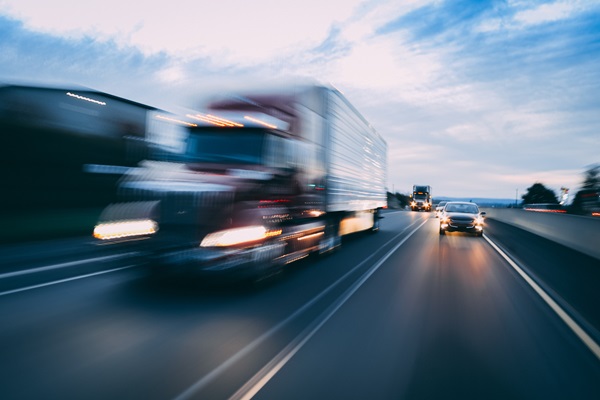
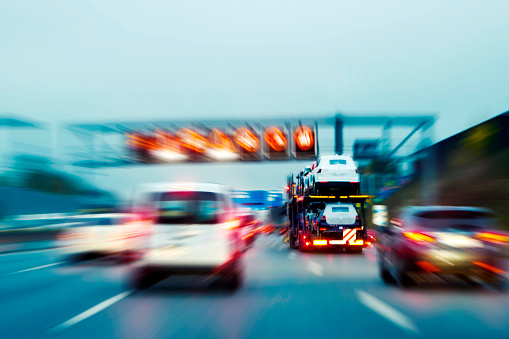
Blurred view of a semi-truck and several cars traveling at high speed on a multi-lane highway.

We’ve seen firsthand the devastation caused when 80,000-pound trucks travel too fast

For nearly a decade, federal regulators have been debating whether to require large trucks to be equipped with electronic devices that limit their maximum speed. The idea seemed simple enough: limit the speed of big rigs, and you reduce the severity of truck accidents, save lives, and cut costs.

But in late July, the plan hit a dead end. The U.S. Department of Transportation, through the Federal Motor Carrier Safety Administration (FMCSA) and the National Highway Traffic Safety Administration (NHTSA), withdrew the proposal.

The reason? It would have wrested control from the states over speed limits, and there wasn’t enough hard data to justify the change.

This wasn’t just a matter of policy fine print. It was a clash over who gets to decide how fast trucks should travel on America’s highways, with deeper implications for how the federal government regulates transportation.

How did the speed limiter proposal begin?

The first version of the rule was introduced in 2016, backed by both the FMCSA and NHTSA. It targeted commercial vehicles weighing over 26,000 pounds, proposing that they be fitted with speed limiters set at either 60, 65, or 68 miles per hour.

The thinking was straightforward: lower speeds mean fewer high-impact crashes, which often have devastating consequences when an 80,000-pound truck is involved.

The plan was revived in 2022 with updated language, which reignited old debates. Supporters argued that mandatory speed limiters would protect drivers, reduce highway fatalities, and even help the environment through better fuel efficiency.

The agencies had numbers to support their claims. Their estimates suggested that a nationwide 65 mph cap could prevent 63 to 214 deaths each year. They also projected economic benefits for trucking companies, ranging from $209 million to $1.56 billion annually, in the form of savings from lower fuel use, reduced tire wear, and fewer crash-related expenses.

Why were the rules withdrawn?

The July 24 notice in the Federal Register made it clear that the proposals directly conflicted with the issue of state sovereignty. Under U.S. law, states have the authority to set speed limits on their own roads. Many states permit trucks to travel faster than 68 mph, particularly on rural interstate highways.

The proposed rules would have overridden those decisions. According to the notice, that created a “significant” conflict between federal and state authority. In effect, the speed limiter mandate would have stripped states of their ability to set what they consider to be safe speed limits for their roads.

The move also aligned with an executive order directing federal agencies to rescind regulations that are “unlawful or undermine the national interest.” In this case, DOT determined that imposing federal truck speed caps without sufficient legal footing and data would be both.

While the projected benefits looked promising on paper, the agencies admitted they didn’t have the full picture. They lacked enough reliable data to predict exactly how speed limiters would affect crash numbers or the overall economy. That uncertainty left the rule vulnerable. Without a clear, evidence-based case showing that the safety benefits outweighed the costs, DOT decided not to push it forward.

Another factor influencing the withdrawal was the rapid advancement of truck safety technology. Many newer commercial vehicles are already equipped with crash avoidance systems, such as automatic emergency braking and forward collision warning.

These systems can detect potential collisions and either alert the driver or automatically apply the brakes. FMCSA and NHTSA acknowledged that such features may already be preventing some of the crashes that speed limiters were intended to reduce.

What is the public and industry reaction to this decision?

Safety groups largely backed the idea, some even calling for lower limits. However, many trucking companies are concerned about lost efficiency, especially when hauling time-sensitive freight. Independent owner-operators argued that speed limiters could create dangerous speed differences between trucks and cars, potentially leading to more truck accidents rather than fewer.

The American Trucking Associations struck a more measured tone. COO Dan Horvath said the decision was “expected” and in line with the administration’s broader deregulatory approach. "We believe USDOT can successfully balance deregulatory actions while enforcing sensible regulations that are on the books, in line with its safety mission," said Horvath.

What does this mean for future transportation policy?

The end of the speed limiter proposal doesn’t mean the conversation is over. It’s a sign of how transportation policy is shifting under the current administration. That means a reduced appetite for sweeping federal mandates and a greater emphasis on state control and market-led safety solutions.

For now, states will continue to set their own truck speed limits, and safety gains may come more from technological innovation than from top-down regulation. But advocates for uniform national standards aren’t going away. They may propose new initiatives in the future, especially if more comprehensive crash data becomes available.

The tension between safety regulation and operational freedom isn’t new, and it won’t disappear anytime soon. The trucking industry operates in all 50 states, but the rules of the road are still shaped heavily by local control.

Truckers won’t see a federal rule limiting their top speed. However, the issues that sparked the proposal (e.g., highway safety, crash prevention, and fuel efficiency) remain on the table. As long as 80,000-pound trucks share the road with passenger vehicles, the conversation about how to keep everyone safe will continue to move forward.

Injured in a truck accident?
Let our Houston law firm fight for maximum compensation

At Smith & Hassler, our Houston truck accident lawyers are well-versed in the tactics employed by trucking companies and have been advocating for injured motorists for over 30 years. We know how to investigate complicated truck accidents, identify every liable party, and build a strong case for the full compensation you deserve.

When the stakes are high, you need a law firm with the skill, resources, and proven track record to go head-to-head with powerful trucking corporations. Our team proudly serves clients in Houston, Harris County, and throughout the state of Texas. When you schedule your free consultation, you’ll get straightforward answers and an honest assessment of your case.

There’s no obligation or pressure; just a confidential conversation with an attorney who understands what you’re going through and how to fight for your best interests. You can also rest easy knowing we work on a contingency fee basis, which means you pay nothing upfront and we only get paid if we win your case.

If you’ve been injured in a crash involving a large truck, contact us today to schedule your free case evaluation. Evidence can disappear quickly after a truck accident, so the sooner you reach out, the sooner we can start protecting your rights and pursuing the maximum compensation you’re entitled to.

"Smith and Hassler law firm has been more than amazing! They go above and beyond what their title is. They truly care about you as an individual and what you are going through, not just a paycheck to them." – J.S., ⭐⭐⭐⭐⭐

The Top Trucking Inspection Fails of 2024

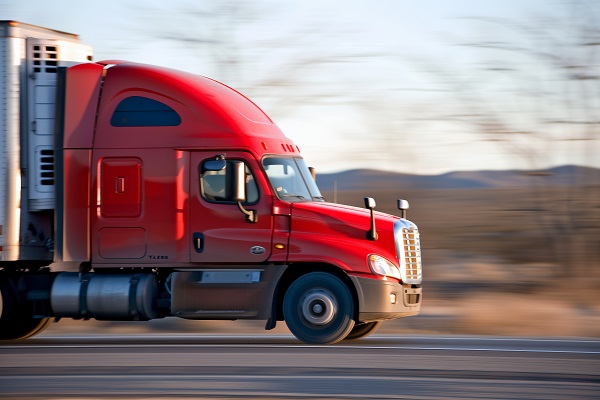
Side view of a red semi-truck driving at high speed on a highway, with blurred background indicating motion.

Semi-trucks are the backbone of America’s supply chain; they move goods across thousands of miles daily. However, their massive size and weight make them dangerous when operators disregard safety rules. Truck drivers and trucking companies carry a heavy responsibility to follow safety laws and best practices. When they fail, the consequences can be devastating for everyone on the road. That includes the risk of serious and potentially fatal truck accidents.

In 2024, state and local enforcement agencies revealed some of the most outrageous trucking violations. These violations are examples of the risks of cutting corners and the lives at stake when truck drivers and their employers ignore safety laws.

What are some of the most shocking truck inspection fails of 2024?

In California, the California Highway Patrol (CHP) uncovered shocking safety violations throughout the year, including:

  • A truck rolling on its rim: In December, CHP stopped a truck driving without a tire, leaving the rim grinding against the pavement. Surprisingly, the driver remained unaware until reaching a CHP facility. This incident could have led to catastrophic failure or loss of control.
  • Speeding above the limit: CHP also cited a driver speeding far above California’s 55 mph limit for large trucks. This excessive speed reduces a truck’s ability to stop quickly and increases the risk of a roadway catastrophe.

In Iowa, the Iowa State Patrol (ISP) also encountered shocking violations that demonstrate the trucking industry’s safety challenges:

  • Tires pointing in different directions: Officers stopped a truck with tires not only flat but also misaligned, pointing in opposite directions. The trailer lights didn’t work either. The driver, shockingly, had no idea of the dangers they posed.
  • Broken trailer frame: One truck’s uneven stance revealed a snapped trailer frame. Despite the visible defect, the driver continued operating the vehicle.
  • Driving after a low-bridge strike: Another driver hit a low bridge, causing severe trailer damage. However, he kept going as though nothing had happened, which could have caused debris to fall onto the road.
  • Drunk driving: In one of the most outrageous incidents, the ISP stopped a commercial driver drinking hard liquor behind the wheel. The driver’s blood alcohol content level was nearly five times the legal limit for commercial vehicles.
  • Unregistered truck with oversized freight: ISP officers also stopped a truck carrying oversized freight without permits, insurance, or registration. The vehicle had not been registered in 16 years and showed clear signs of neglect.

What safety obligations do truck drivers and trucking companies have?

Truck drivers and their employers must comply with strict state and federal safety regulations. These rules exist to prevent truck accidents that can have life-altering consequences. Here’s what responsible operators must do to ensure highway safety:

1. Limit driving hours to prevent fatigue

Fatigue remains one of the leading causes of truck accidents. Federal Hours of Service (HOS) rules are in place to reduce this risk by limiting how long drivers can stay on the road. Truck drivers must take at least 10 consecutive off-duty hours before starting a shift. They can't drive more than 11 hours within a 14-hour work window. After eight hours of driving, they must take a 30-minute break. When trucking companies push unrealistic delivery schedules, drivers may feel pressured to ignore these rules, which only increases the risk of deadly fatigue-related crashes.

2. Inspect vehicles before and after trips

Pre-trip and post-trip inspections help catch mechanical issues before they cause problems on the road. The Federal Motor Carrier Safety Administration (FMCSA) requires drivers to inspect brakes, tires, lights, and other key components. Skipping inspections or ignoring reported issues can lead to catastrophic equipment failures.

Daily inspections must check for:

  • Tire pressure and tread wear
  • Brake functionality
  • Working headlights, turn signals, and reflectors
  • Secure trailer connections

3. Maintain accurate records and perform timely repairs

Trucking companies must maintain their fleets to prevent mechanical breakdowns. Neglecting repairs to save money risks tire blowouts, brake failures, and other preventable hazards. Proper maintenance ensures vehicles remain roadworthy and compliant. FMCSA guidelines require companies to:

  • Schedule regular maintenance
  • Log repairs and inspections accurately
  • Immediately address flagged issues

4. Secure cargo correctly

Improperly loaded cargo can shift during transit. This can lead to rollovers, jackknifes, or debris spills. Federal regulations require freight to be evenly distributed and secured using appropriate straps or chains. Overloading a truck or failing to secure cargo increases the likelihood of instability, especially during sudden maneuvers or sharp turns. These avoidable mistakes often result in truck accidents involving multiple vehicles.

5. Hire and train qualified drivers

Operating an 80,000-pound semi-truck demands specialized training and certification. Hiring untrained or unqualified drivers introduces unnecessary risks. Ongoing training also helps experienced drivers stay up-to-date on safety practices. To meet this requirement, trucking companies must ensure drivers:

  • Obtain a valid Commercial Driver’s License (CDL).
  • Complete training programs covering road safety and vehicle operation.
  • Pass physical fitness exams to confirm they’re fit for long-haul trips.

6. Monitor and address unsafe driver behavior

Trucking companies must actively monitor their drivers for risky behaviors, such as speeding, hard braking, or distracted driving. Telematics systems can flag these issues in real-time. This gives companies a chance to correct unsafe habits before they result in serious collisions.

Hurt in a Texas truck accident? Our Houston lawyers are here to help

When truck drivers or trucking companies ignore safety regulations, the consequences can be severe. Victims can end up with devastating injuries, costly medical bills, and uncertainty about the future. If you’ve been injured in a Texas truck accident, the Houston attorneys at Smith & Hassler are here to fight for the compensation you deserve. Some of our most notable truck accident case results include:

  • $1.38 million for two clients involved in an 18-wheeler collision, both suffering mild traumatic brain injuries, with one also sustaining multiple fractured bones.
  • $175,000 for a client who suffered a back injury in a crash with a large truck.
  • $137,000 for a client who suffered a herniated lumbar disc after being rear-ended by a big rig.

Our law firm can provide dedicated legal support by listening to your story, thoroughly investigating your case to uncover negligence, and dealing with insurance companies while you focus on recovery. We understand the financial challenges a truck accident brings, so we work on a contingency fee basis—you pay nothing unless we win your case.

Start with a free, no-obligation consultation where we’ll review your case, discuss your options, and answer your questions. Don't wait — contact us today to take the first step toward the justice you deserve.

"Smith and Hassler represented us in an injury case. They secured a settlement for us that was bigger than we ever thought possible." – NG, ⭐⭐⭐⭐⭐

Houston Helicopter Crash Linked to Faulty Tower Lights

Helicopter flying against a blue sky with clouds, captured from a low angle.

A tragic helicopter crash in Houston's Second Ward has left the community grieving as authorities continue investigating the cause of the deadly accident. The crash, which occurred on October 20, 2024, claimed the lives of four people, including a child. As details emerge, questions are being raised about the aviation obstruction lights on the radio tower that the helicopter struck.

A History of Safety Issues with the Tower

According to reports from ABC13, the radio tower at Engelke Street and Ennis Street has a troubling history of its aviation obstruction lights not functioning. These lights are essential safety measures designed to prevent collisions by making towers visible to pilots, especially in poor visibility conditions. In the case of this crash, it is alleged that the red flashing lights on the tower had not been working for days prior to the accident, despite being reported to the FAA on October 17.

The lack of proper lighting is a significant concern, as the helicopter crashed directly into the tower. The pilot, operating an air tour flight, would have relied heavily on those lights to navigate safely around the structure. Initial surveillance footage shows that one of the tower's lights may have been operational, but whether the lighting was fully functional remains unclear.

Legal Implications of Negligence

When safety systems such as aviation obstruction lights fail, it raises serious concerns about negligence and liability. If it is confirmed that the lights were not in full working order at the time of the crash, those responsible for maintaining the tower and ensuring its safety could potentially face legal accountability.

Aviation accidents are subject to thorough investigations by agencies like the National Transportation Safety Board (NTSB) and the Federal Aviation Administration (FAA), and any evidence of negligence can lead to liability for the victims' injuries and wrongful deaths.

Families impacted by this tragic incident may have grounds to pursue legal claims if it is proven that the tower's lights were not properly maintained. Under Texas law, property owners and those responsible for maintaining critical infrastructure like radio towers may be held liable for any accidents caused by a failure to uphold safety standards.

Holding Responsible Parties Accountable

At Smith & Hassler, we understand the devastating impact that accidents like this can have on families and communities. Our experienced team of attorneys is dedicated to investigating cases of negligence and holding responsible parties accountable.

Whether it involves an aviation accident, a workplace injury, or another catastrophic event, we are committed to ensuring that justice is served and that victims receive the compensation they deserve.

Contact Smith & Hassler for Legal Help

Catastrophic accidents such as the one on October 20 often involve complex legal and regulatory issues, and having an experienced attorney on your side can make all the difference in ensuring that those responsible are held accountable.

If you or someone you love has been harmed as a result of another party's negligence, contact Smith & Hassler today to schedule a free and confidential consultation with our legal team. We are here to support you through this difficult time and will work tirelessly to seek justice for you and your family.

Houston-area cops are cracking down on speeders

Houston auto accident attorney

Everyone knows that speeding is dangerous, even those who speed, but some drivers are willing to take that risk in order to reach their destination "faster." Other drivers are under the impression that their speeding will never cause a crash, but national figures speak for themselves.

In 2018, almost 10,000 people were killed in speed-related crashes across the United States, according to the National Highway Traffic Safety Administration (NHTSA). In addition, speeding was a factor in one-third of all traffic fatalities over the past two decades.

In Texas, speeding was a factor in:

  • 670 rural crashes — 88 of which were fatal
  • 2,275 urban crashes — 219 of which were fatal

Where most speeders got tickets

In response, the Texas Department of Public Safety has begun cracking down on speeders in the Houston area, according to the Houston Chronicle. In July alone, nearly 2,000 speeding tickets were issued by law enforcement officers throughout Harris, Chambers, Brazoria, and Galveston counties. The majority of speeding citations were issued on:

  • Highway 288 in Brazoria County — 316 tickets
  • Interstate 10 in Chambers and Harris counties — 241 tickets
  • Interstate 45 in Galveston and Harris counties — 137 tickets
  • Farm-to-market Road 1960 in Harris and Brazoria counties — 129 tickets
  • U.S. 290 in Harris County — 103 tickets

Risk factors in speed-related crashes

Speeding increases the likelihood of a fatal crash due to:

  • Increased risk of losing control of your car
  • Reduced effectiveness of airbags and seatbelts in a collision
  • Reduced time and increased distance to stop when a collision is imminent
  • Increased crash severity

Despite knowing the risks, why do drivers speed? According to the NHTSA, speeding is often driven by:

  • Aggressive driving caused by traffic congestion
  • A driver running late
  • Anonymity or detachment from surroundings
  • Habitual aggressive driving and disregard for the law or other road users
  • Drowsy driving
  • Being under the influence of drugs and/or alcohol

When these drivers fail to acknowledge the potential consequences of the risks they take, their actions can result in someone's injury or death. Luckily, those who are impacted by speed-related crashes have legal options available to them. So, if you or a loved one was hurt in a crash caused by a speeding driver, it is critical that you take immediate action.

Consulting with an experienced Houston car accident attorney is a crucial step in pursuing a strong legal claim against the at-fault driver and his or her insurance company. The legal team at Smith & Hassler Attorneys At Law knows how to get results. We can help you maximize your compensation, so you can focus on recovery. To learn more, contact us online today and schedule your free case evaluation.

Houston Bicycle Safety Depends on Bike Plan

Houston bicycle accident attorneyThe future of cycling safety in Houston hinges on fully funding and implementing the city’s bike plan, making it vital that elected officials keep their promises and voters hold them accountable.

The Kinder Institute for Urban Research at Rice University reports that mapping recent Houston bicycle crashes onto the Houston Bike Plan underscores the critical importance of following through with short-term and long-term cycling infrastructure projects to reduce the rising accident rates.

Cycling Safety and Houston Bicycle Accidents

A growing urban environment and the increasing popularity of cycling for transportation and fitness has pushed the number of serious and fatal Houston bicycle crashes to historic highs. Statewide, the Texas Department of Transportation reported nearly 500 bicycle crashes through the first six months of 2018.

The good news is the Houston Bike Plan looks to be targeting some of the area’s most critical cycling safety needs, according to accident data.

The study found 1 in 4 crashes happened on local streets, along mostly residential areas. Safety advocates say this is due to a lack of dedicated bike lanes on main thoroughfares, which pushes riders into nearby neighborhoods. Some 60 percent of accidents were reported on or near streets marked for future projects, while 22 percent occurred on streets already targeted for short-term retrofit improvements, primarily low-cost projects like re-striping and adding signage.

Liability for Houston Cycling Accidents

Planners noted cooperation between Houston City officials and Harris County will also be critical. ABC13 reported a fatal Harris County bicycle accident as a rider attempted to pull into traffic near West Mount Houston and Ella Boulevard.

The bad news is the Houston Bike Plan remains little more than a promise. Adopted in March 2017 by the city council, the aim is to make Houston a gold-level bike-friendly city by 2027. But the city describes the plan as a  “guide,” and acknowledged future funds have not been earmarked or dedicated.

The Houston Chronicle series Dying to Ride examined the growing risks to riders on city streets, reporting that at least 23 riders have been killed on Houston streets in the past 5 years. The newspaper detailed several high-profile fatal hit-and-run bicycle accidents.

A rider’s first avenue of compensation will be a claim against an at-fault driver’s insurance company. However, in cases of hit-and-run, or in collisions where an at-fault party lacks insurance or does not have enough insurance to compensate a victim for all losses, a rider may pursue an uninsured (UM)/underinsured (UIM) motorist claim - if the cyclist has his or her own auto insurance with this type of coverage or is covered under another household member's policy.

If you have been injured in a bicycle accident in Houston, an attorney at Smith & Hassler Attorneys At Law can help.