Author Archive

Houston Secures $29 Million to Fix One of Its Deadliest Streets


A line of cars driving down Bissonnet Street in Houston, TX.

Bissonnet Corridor to Undergo Safety Overhaul After Years of Tragedy

Houston has taken a significant step toward addressing one of its most dangerous roadways. City leaders recently approved nearly $29 million in federal funding to overhaul a seven-mile stretch of Bissonnet Street, a corridor that has recorded more fatal crashes than any other city-owned street in Houston.

For any Houston car accident lawyer who regularly handles serious injury and wrongful death cases, Bissonnet has long stood out as a clear example of how dangerous road design and congestion can turn everyday travel into a life-altering risk.

The funding comes from the U.S. Department of Transportation’s Safe Streets and Roads for All program, with the City of Houston contributing an additional $7 million to meet local match requirements. The project, known as the Bissonnet Corridor Safe Streets and Roads Project, runs from South Dairy Ashford Road to Hillcroft Avenue and is scheduled for completion in 2028.

For people who live, work, or commute through southwest Houston, this investment reflects a long-overdue acknowledgment of how dangerous the corridor has become.

Why Has Bissonnet Street Been So Dangerous?

Bissonnet is a heavily traveled east-west artery serving drivers, Metro bus riders, cyclists, and pedestrians. Over the years, traffic volume has increased while infrastructure lagged behind. The result has been congestion, limited visibility, poorly protected pedestrian crossings, and frequent interactions between vehicles and vulnerable road users.

According to Houston Public Works, no other city-owned street has seen more fatal crashes. That statistic is not abstract. It represents lives lost, families permanently changed, and a pattern of preventable harm. In fact, recent accidents include:

  • A crash earlier this month at Bissonnet St. and Alder Dr. reportedly left one person injured.
  • A pedestrian died in a fatal hit-and-run crash on Bissonnet near Rice Village in December, 2025.

Residents in the Alief area have raised concerns for years, noting that congestion alone does not explain the danger. Speeding, poor lighting, inadequate sidewalks, and unsafe crossings have created conditions in which serious crashes are more likely to occur.

What Will the $29 Million Project Change?

While the full project is expected to cost more than the grant alone, Houston will contribute $7 million in matching funds to help fund the work. The city has already completed a design concept report after extensive community feedback in 2024. Planned improvements include:

  • Widened sidewalks for pedestrian safety
  • Dedicated pedestrian islands at key intersections
  • Improved street lighting to enhance visibility
  • Traffic-calming features to reduce speed and reckless driving

These upgrades are designed not only to reduce collisions but to make Bissonnet a livable, accessible road for all users—whether they drive, walk, bike, or ride METRO.

Infrastructure Improvements Matter, But They Are Not a Cure-All

While projects like this can save lives, they do not erase responsibility when crashes happen. Even on improved roads, drivers are still required to obey traffic laws, watch for pedestrians, and operate their vehicles responsibly. Commercial drivers, delivery services, and rideshare operators must still be held to professional standards.

Houston’s traffic fatality numbers did not reach crisis levels because of infrastructure alone. They are also the result of:

When those choices lead to injury or death, the consequences extend far beyond the roadway.

What Does This Mean for Injured Houstonians?

For people injured on dangerous streets like Bissonnet, safety improvements come too late. Medical bills, lost income, and long-term physical limitations do not disappear just because funding is approved or construction is underway.

Serious crashes often raise difficult questions about fault, roadway design, driver behavior, and whether a collision could have been prevented. Those questions matter when injured people are left facing insurance companies that are quick to minimize harm or shift blame.

Houston’s roads are among the most dangerous in the nation. That reality makes accountability essential. Infrastructure investments can reduce future risk, but justice for injured Texans still depends on holding negligent drivers and responsible parties accountable when preventable crashes occur.

Our Houston Car Accident Lawyers Are Here To Help

The Bissonnet Corridor project is a meaningful investment in public safety, and it reflects long-overdue recognition that Houston’s traffic crisis demands real action. Residents have waited years to see one of the city’s deadliest streets treated with the seriousness it deserves.

But infrastructure improvements take time. For Houstonians who have already been injured on roads like Bissonnet, the consequences are immediate. Medical bills do not pause. Lost income does not wait for construction to finish. Accountability does not happen on its own.

That's where Smith & Hassler steps in. For more than 30 years, our law firm has fought for injured Texans and recovered over $1 billion by holding negligent drivers and responsible parties accountable.

This includes recoveries of over $3 million for a client injured in a motorcycle accident and $1.3 million for clients who were injured in an 18-wheeler collision. When safety failures cause serious harm, being passionate, professional, and prepared to win makes the difference.

If you or someone you love was hurt in a crash on Bissonnet or another dangerous Houston roadway, contact us for a free consultation. Our lawyers work on a contingency fee basis and are ready to help you pursue the justice you deserve.

"Smith and Hassler represented us in an injury case. They secured a settlement for us that was bigger than we ever thought possible." – N.G., ⭐⭐⭐⭐⭐

Houston Records Third-Highest Pedestrian Deaths in the Nation

A person wearing jeans and dark shoes walks across a bright white striped pedestrian crosswalk.

What's causing so many pedestrian crashes in Houston?

Houston had the third-highest number of pedestrian fatalities among cities nationwide in 2023, according to the most recent National Highway Traffic Safety Administration (NHTSA) data.

“We’ve known for a long time that Houston has a serious crash problem,” Robin Holzer, director of LINK Houston, a transportation advocacy group, said in an interview with Click 2 Houston about the recent pedestrian accident statistics.

Pedestrian accidents are on the rise

In recent years, the number of pedestrian fatalities in Houston and the surrounding area has continued to climb higher nearly every year. In 2023, there were 98 pedestrian deaths in Houston, making it the third-deadliest city for pedestrians that year. Only Los Angeles (145 deaths) and Phoenix (109 deaths) had more pedestrian fatalities in 2023, according to the most recent NHTSA pedestrian accident data.

And when you take into account the surrounding communities near Houston, the death toll is even more alarming. In Harris County, which includes Houston, there were 169 pedestrian deaths in 2023. That figure is less than the year before (177 pedestrian deaths in Harris County in 2022) but significantly higher compared to previous years, including 2019, when there were 119 pedestrian fatalities in Harris County, Texas, according to NHTSA data.

Pedestrian accident hotspots in Houston

While pedestrian accidents can happen anywhere at any time, certain streets and intersections in Houston have more incidents than others. A recent Washington Post study identified some of these pedestrian accident hot spots in Houston as part of a nationwide study of the country's deadliest roads.

Based on accident data from 2010 to 2023, there were 36 pedestrian deaths on a 3.5-mile-long stretch of Westheimer Road in Houston. Farm to Market Road (FMR) 1960 in Houston also made it onto the national list of the most dangerous roads for pedestrians from 2021 to 2023.

Common causes of pedestrian crashes

Pedestrian accidents in Houston are caused by a wide range of factors. Some of the most common reasons include:

  • Speeding drivers who don’t slow down for pedestrians crossing the street.
  • Distracted drivers, especially texting drivers, who don’t see pedestrians because they aren't focused on the road.
  • Aggressive drivers who don’t share the road with people crossing the street or walking alongside a road.
  • Drunk drivers under the influence of alcohol who cause pedestrian accidents.
  • Drowsy drivers who fall asleep at the wheel and hit pedestrians.

Keeping Houston pedestrians safe

There are measures that can be taken to reduce pedestrian crashes in Houston. For instance, the Texas Department of Transportation (TxDOT) outlined some of those suggested changes in the Click 2 Houston article, including:

  • Updating and enhancing pedestrian crosswalks, especially on Westheimer Road and I-610 in Houston.
  • Placing reflective stripping on roads where pedestrians can often be found.
  • Redesigning roads with pedestrians and vehicles in mind.
  • Encouraging Houston drivers to slow down.

Other ways to prevent pedestrian accidents include:

  • Installing better street lighting, especially at crosswalks.
  • Making sure crosswalks are clearly visible to drivers.
  • Enforcing existing traffic laws, especially if drivers run a red light or don’t stop at a crosswalk, resulting in a pedestrian accident.

Let Smith & Hassler fight for the compensation you deserve

Pedestrians often sustain severe injuries when drivers make mistakes on the road in Houston. All it takes is one distracted or speeding driver to cause a catastrophic pedestrian injury. Worst of all, many drivers deny doing anything wrong, and their insurance companies often agree with them in an attempt to avoid paying injured pedestrians the money they deserve.

Our Houston pedestrian accident attorneys at Smith & Hassler know the games insurance companies often play and how to effectively respond in such situations. We won’t waste a minute getting to work on gathering evidence in support of your pedestrian injury claim or lawsuit. That’s why we consistently obtain meaningful settlements and verdicts for our clients. We do the work that needs to be done to do the job right.

Get the Houston law firm that knows how to get results. Contact us and schedule a free consultation with a Houston pedestrian accident lawyer who puts your best interests first. We’re here to help you demand the justice and financial compensation you deserve.

“I can tell you without hesitation that Smith and Hassler is the best law firm to work with in the city of Houston. Were anyone in my family to need a PI attorney, I would send them to S&H immediately.” Greg G., ⭐⭐⭐⭐⭐

$9 Billion TxDOT Project Set to Redefine Houston’s Highway System

Aerial view of downtown Houston, Texas, with highways curving through the city and tall skyscrapers in the background under a partly cloudy sky.

What Houston Drivers Need to Know About the I-45 and I-69 Rebuild

Houston drivers are used to roadwork, but what’s coming next will be unlike anything the city has ever seen. The Texas Department of Transportation (TxDOT) has launched a $9 billion reconstruction of the I-45 and I-69 corridors, a decade-long project that will reshape how millions of people move through downtown.

According to KHOU 11, the project is one of the largest in state history — a complete rebuild designed to straighten roadways, reduce congestion, and improve flooding and air-quality conditions near the city’s core. For those who commute daily through the downtown corridor, the changes will be dramatic.

“This project is massive,” TxDOT spokesperson Danny Perez told KHOU. “It will completely transform the downtown roadway system and go all the way up to Beltway 8.”

At Smith & Hassler, our Houston car accident lawyers have seen firsthand what happens when construction zones and heavy traffic collide. While the long-term goal is to make travel safer, the years ahead will likely bring new hazards, from confusing detours to dangerous bottlenecks that put motorists, cyclists, and pedestrians at greater risk.

A Project Decades in the Making

For decades, I-45 has sliced straight through the middle of downtown Houston. Under the new plan, TxDOT will reroute the freeway east of downtown, running it parallel to I-69 near the George R. Brown Convention Center. Engineers say the redesign will smooth out sharp curves and outdated overpasses that slow traffic and contribute to crashes.

TxDOT says the initiative also targets chronic flooding and air-quality concerns that have plagued the downtown corridor for years. Anyone who’s sat through a summer storm on the Pierce Elevated knows how quickly water can accumulate, stranding drivers and damaging vehicles.

It’s an ambitious undertaking meant to future-proof Houston’s infrastructure after decades of explosive growth. But progress of this scale doesn’t come without challenges.

The Reality for Drivers Right Now

Construction has already begun, and KHOU reports that the project will take more than ten years to finish. That means Houston drivers can expect lane closures, rerouted exits, and extended delays for years to come.

Perez acknowledged the public’s frustration but urged patience. “People want to see traffic improved. They want to see congestion improved, so we’re trying to address that,” he said.

The reality, however, is that major construction zones are among the most dangerous places on Texas highways. Narrow lanes, sudden merges, and distracted drivers create a perfect storm for serious collisions. In recent years, thousands of crashes statewide have occurred in work zones, many involving large trucks or speeding motorists who failed to adjust to changing conditions.

When Congestion Meets Construction

Houston’s highways already rank among the most congested in the nation. Adding long-term construction to that mix means more stop-and-go traffic, unpredictable lane shifts, and frustrated drivers trying to beat the clock.

For commercial trucks, which account for a significant share of Houston’s daily traffic, construction detours can increase both fatigue and crash risk. Big rigs need more time and space to stop, and even minor lane misjudgments can lead to devastating consequences.

As construction expands through the I-45/I-69 corridor, drivers should expect more:

  • Rear-end and sideswipe crashes from sudden braking or last-second lane changes
  • Pedestrian and cyclist dangers near rerouted downtown streets and reduced shoulders
  • Truck rollover or jackknife accidents in narrowed merge zones
  • Aggressive driving and road rage incidents as congestion worsens

Every one of these risks is amplified when companies pressure truckers to stay on schedule despite the delays.

Why Infrastructure Doesn’t Always Equal Safety

Supporters of the I-45 overhaul say the redesign will make downtown traffic safer by reducing curves, expanding drainage, and improving visibility. Those changes may help, but only if drivers remain alert and follow the rules of the road during the years-long transition.

At Smith & Hassler, we’ve represented victims who assumed construction areas were being properly managed, only to discover that missing signage, poorly marked lanes, or negligent contractors played a role in their crash. In other cases, trucking companies ignored detour restrictions or allowed fatigued drivers to navigate high-risk zones at night.

The takeaway: improved infrastructure doesn’t automatically guarantee safer roads. Safety depends on every party, from engineers and contractors to trucking carriers and individual motorists, doing their part to minimize danger.

What This Means for Houston Families

For Houston residents, this massive project will reshape daily life far beyond the construction barricades. Commuters from The Woodlands to Pearland will face longer travel times. Downtown businesses will adapt to detours and limited access points. Families heading to Astros games or events at Discovery Green may need to plan entirely new routes.

The sheer scope of the project also means more workers, more heavy equipment, and more commercial traffic converging in one area — all while regular commuters navigate the same space. It’s a recipe for confusion and, too often, preventable accidents.

If you’re driving through or near downtown during this reconstruction, it’s crucial to:

  • Slow down and pay attention to posted signs and lane shifts.
  • Avoid distractions — even a brief glance at your phone can lead to disaster.
  • Give trucks and work vehicles extra space to merge or turn.
  • Report unsafe conditions or missing barriers to TxDOT or local law enforcement.

These precautions may sound simple, but in crowded work zones, they can mean the difference between getting home safely and suffering a serious injury.

Standing Up for Those Hurt in Work-Zone and Highway Crashes

As Houston transforms its highway system, Smith & Hassler remains focused on protecting those caught in the chaos. Our attorneys have handled cases involving 18-wheeler collisions, highway construction accidents, and catastrophic injuries caused by negligent drivers and contractors.

We know that behind every crash statistic is a person whose life changed in seconds, and we work tirelessly to hold those responsible accountable. Whether the cause is unsafe lane design, contractor negligence, or a reckless truck driver ignoring a work-zone speed limit, our team investigates every angle to build a strong case for justice.

If you or someone you love was injured in a Houston car or truck accident during road construction, don’t go down that road alone. The attorneys at Smith & Hassler are ready to fight for your recovery and help you move forward. Contact us today for a free consultation.

"Mr. Daragh Carter, Ms. Melissa Jimenez, and the team are very professional throughout my case. They addressed my questions/concerns quickly, followed up timely, and paid attention to detail. Their unwavering dedication made the difficult time far more manageable. I’m truly grateful for all the things they have done!" - Yang X., ⭐⭐⭐⭐⭐

TxDOT Launches “Be Safe. Drive Smart.” Campaign for Pedestrian Safety Month

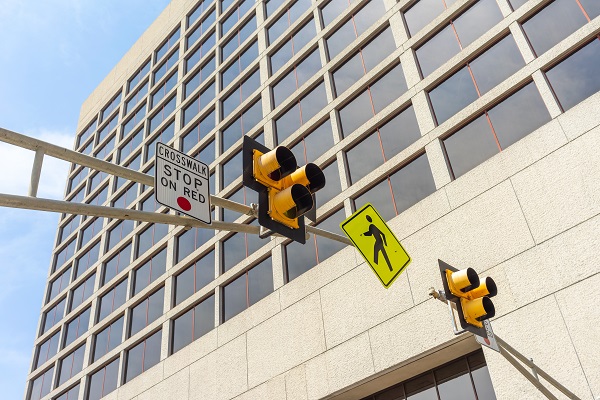
Close-up view of a crosswalk with cars and sunlight in the background at sunset.

Texas Drivers Need To Be on High Alert

October has become a deadly trendline on Texas roadways. With shorter daylight hours, limited visibility, and more people walking outside to enjoy cooler weather, pedestrian fatalities consistently spike — and Houston is no exception.

That’s why the Texas Department of Transportation (TxDOT) has launched its latest statewide campaign: “Be Safe. Drive Smart.” The initiative coincides with National Pedestrian Safety Month and seeks to reduce the rising number of pedestrian deaths and serious injuries. But while safety reminders are being issued to everyone, it’s clear where the real responsibility lies.

Drivers, especially in a city like Houston with fast-moving traffic and busy intersections, must do more to prevent these crashes. Failing to pay attention, speeding through crosswalks, or driving distracted aren’t just traffic violations. They can result in a pedestrian accident that costs someone their life.

October Is the Most Dangerous Month for Pedestrians

According to TxDOT, 89 pedestrians were killed and 143 were seriously injured on Texas roads in October 2024 alone. That’s more than double the average seen in some other months. Overall, pedestrian-involved crashes in Texas are up 25% from 2020 through 2024, a disturbing trend that shows no signs of slowing down.

The problem is particularly significant in large metro areas like Houston, where the combination of high traffic volume, dimly lit roadways, and aggressive driving creates a dangerous environment for anyone on foot. Many of these crashes occur at night and in areas where drivers simply aren’t looking for pedestrians.

But that’s the point — they should be.

TxDOT’s Message to Drivers: Watch for People, Save Lives

At the center of the new “Be Safe. Drive Smart.” campaign is the story of U.S. Air Force Major Brenna Cole-Pickrel, a 31-year-old security expert who was killed while jogging in a San Antonio crosswalk. Her death in October 2024 is one of hundreds that demonstrate the devastating consequences of driver inattention.

Her mother, Linda Cole, told TxDOT: “It hurts to know that it could have been prevented.”

And that’s exactly the campaign’s goal: prevention through driver awareness and accountability.

The pedestrian safety awareness campaign includes television ads, billboards, radio spots, digital media, and even walking street teams with safety messages in high-risk pedestrian areas. But the underlying message is clear: Drivers are the ones who need to change their behavior.

Houston Drivers Need to Be Responsible

At Smith & Hassler, we’ve seen far too many pedestrian accident cases caused by drivers who were in a rush, distracted, or simply not looking. These aren’t rare occurrences. They’re happening every day, and too often, the victims never get the chance to tell their story.

Here’s what we often see behind these tragic crashes:

  • Left turns across crosswalks: Drivers focus on clearing traffic and fail to see someone already crossing with the signal.
  • Speeding through intersections: In Houston, where many drivers try to beat the light, pedestrian right-of-way is often ignored.
  • Failing to stop at crosswalks: Many drivers don’t come to a full stop at crosswalks without signals or assume pedestrians will yield to them.
  • Distracted driving: Phones, navigation systems, or other in-car distractions pull focus from the road, especially during low-visibility hours.
  • Large vehicle blind spots: SUVs and pickups — which are increasingly common in Texas — have larger front blind zones that can obscure pedestrians at close range.

The Legal Stakes for Drivers in Pedestrian Crashes

Texas law is clear: Drivers must yield to pedestrians in crosswalks and exercise caution when pedestrians are present. Failing to do so can lead to citations, criminal charges, and civil lawsuits.

When a driver hits a pedestrian — whether due to distraction, speeding, or failing to yield — they can be held fully responsible for the injuries and financial losses that follow. This includes medical bills, lost income, pain and suffering, and in tragic cases, wrongful death.

At Smith & Hassler, our Houston pedestrian accident lawyers hold negligent drivers accountable. We don’t buy into excuses about “not seeing” someone or “being in a hurry.” If a driver causes harm because they weren’t paying attention, they should be held responsible — period.

Houston Pedestrian Accidents Are Preventable

TxDOT’s campaign is a reminder that change doesn’t start with billboards or slogans. It starts behind the wheel.

In a city as large and fast-paced as Houston, it’s not enough to be a “good driver.” Drivers need to be focused, patient, and attentive, especially in areas where people are walking. And that means:

  • Slowing down near crosswalks and intersections
  • Yielding to pedestrians, whether or not there’s a signal
  • Watching for people near stopped vehicles or transit stops
  • Putting phones away completely while driving
  • Adjusting for low-light conditions, especially in the evening

These may sound like basic rules, but too many people break them every day. And when they do, the results are often life-changing for everyone involved.

We Help Injured Pedestrians Fight For Justice

Our law firm has a proven track record of achieving successful outcomes in pedestrian accident cases. We know the law. We know the tactics insurance companies use. And we know how to demand accountability when someone’s life is turned upside down by a reckless driver.

Don’t let a driver’s mistake define your future. We’re here to help you fight back and move forward.

If you were injured in a pedestrian accident in Houston, Smith & Hassler can help you pursue accountability and demand the compensation you deserve. Contact us today to schedule your free consultation.

"Mr. Carter made my life easy! I had no clue what to do after my car wreck, and he made the process easy. I would definitely recommend to anyone who asks!" - Kristen F., ⭐⭐⭐⭐⭐

TxDOT Launches "Be Safe. Drive Smart." Campaign to Combat Speeding

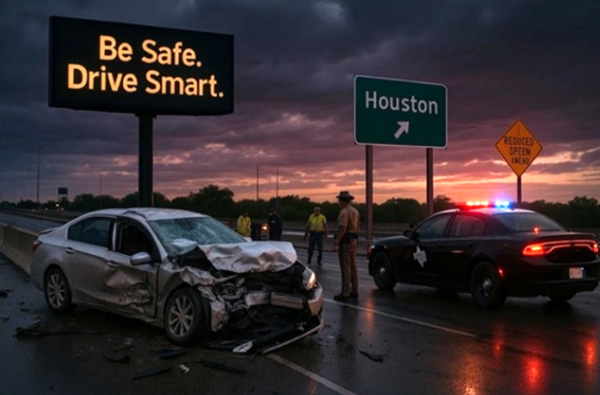
Wrecked car on a wet highway at dusk with police officers and a patrol vehicle nearby, beneath an overhead sign reading “Be Safe. Drive Smart.” near a Houston road sign.

As Speed-Related Crashes Surge, Houston Drivers Are Urged to Slow Down

Speeding isn't just reckless. In Texas, it's often deadly. Last year alone, the Texas Department of Transportation (TxDOT) reported nearly 160,000 speed-related crashes across the state. These collisions caused 1,467 fatalities, making up almost 35% of all traffic deaths in Texas.

To address this alarming trend, TxDOT has launched its latest public awareness effort: the "Be Safe. Drive Smart." campaign. And for Houston drivers, the message couldn't be clearer: slow down before it's too late.

At Smith & Hassler, our Houston car accident lawyers understand the devastating impact of speed-related crashes. High-speed collisions often result in serious injuries, long-term consequences, and emotional trauma for victims and their families.

That's why campaigns like "Be Safe. Drive Smart." matter. As TxDOT works to raise awareness across Texas, drivers in Houston are being reminded that slowing down could save lives.

Speeding Can Be a Deadly Decision

“Speeding is not an accident; it’s a choice,” said TxDOT Executive Director Marc Williams, according to a recent report. “When you choose to drive even just a little over the speed limit, you’re not only risking your own life; you’re risking the lives of every person on the road with you, and that’s not being a good Texan.”

That's why TxDOT is doubling down on its efforts to raise awareness and change driver behavior. The "Be Safe. Drive Smart." campaign features country music star Parker McCollum in new public service announcements, encouraging Texans to slow down and look out for one another.

The campaign runs in tandem with Operation Slowdown, a speed enforcement initiative that takes place from July 18 to August 3. During this period, law enforcement officers across Texas are cracking down on speeding, especially in school zones, construction areas, and along high-speed highways.

How Speeding Causes Serious Injury and Death

The faster a car is moving, the harder it is to control and the more catastrophic the impact can be in a crash. Speeding drastically reduces a driver's reaction time, making it nearly impossible to stop in time to avoid a collision.

High-speed accidents are known to cause:

Speed doesn't just increase crash risk. It amplifies the severity of every injury.

TxDOT's Tips for Safer Driving in Houston

TxDOT is urging drivers to be more mindful behind the wheel and to make smarter choices. Here are key safety reminders from the department:

  • Match your speed to road conditions. Wet pavement, poor visibility, and heavy traffic all require slower speeds.
  • Allow extra time to stop. Give more following distance, especially in bad weather or around construction zones.
  • Look for reduced speed signs. Be alert in school zones and areas with active roadwork.
  • Know the consequences. Traffic fines are doubled in school or work zones when workers are present.

Hurt by a Reckless Driver in Houston? We're Ready to Help.

At Smith & Hassler, we have spent over 30 years helping crash victims across Texas fight for the justice and compensation they deserve. Don't just take our word for it — our client testimonials speak for themselves.

If you or someone you love was injured in a speeding-related crash, you don't have to navigate the aftermath alone. Our experienced Houston car accident lawyers know how to investigate high-speed collisions, build strong cases, and fight back against insurance companies that try to minimize claims.

We offer free consultations with no obligation, just honest answers and a clear strategy. And because we work on a contingency fee basis, you pay nothing unless we win your case. Contact us today to schedule your free case review.

"Mr. Carter, Abigail, and his team took care of me and made sure I knew what was going on with my case, and helped me understand the process until the very end. Thank you again." - Elisa M., ⭐⭐⭐⭐⭐

Houston Police Focus on Speeders and Drunk Drivers in New Push

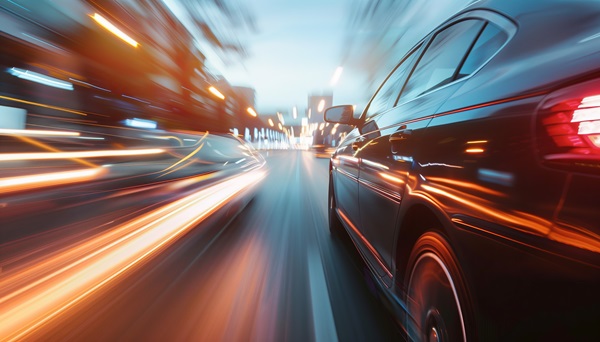
Black SUV speeding down a city street at night with blurred lights in the background.

Increased Patrols May Prevent Crashes, But Accidents Still Happen

Houston, we have a problem, and it’s not just the heat or the traffic; it’s what’s happening in that traffic. In 2024, the city recorded the highest number of car accident deaths in Texas. Drivers, passengers, and pedestrians are dying at alarming rates, even as police hand out more and more citations. Something doesn’t add up.

We have hundreds of tickets, multiple highways, and dozens of officers swarming roadways for a few days at a time. It looks impressive on paper. But is it really making a difference? Is Houston missing the bigger picture?

In early 2025, Houston police launched a series of “traffic enforcement surges” across major highways such as I-45, U.S. 59, Texas 288, and the South Loop. These weren’t routine patrols. These were concentrated, high-visibility operations, with dozens of officers stopping drivers and writing tickets as fast as their pens could move.

The first two major surges netted over 470 citations in just three days. That’s a staggering number. City officials touted the efforts in press conferences and social media posts, promising more to come. The message was clear: dangerous driving won’t be tolerated. But these surges are short, one or two days, and then the show moves on. There’s no permanent presence or lasting deterrent.

Why are Houston’s roads so dangerous?

Part of the answer lies in the city’s size and sprawl. Houston is a massive metro area with limited public transit and a deeply car-dependent culture. People have to drive everywhere. That means more cars on the road, more miles driven, and more chances for something to go wrong. Additionally, highways cut through urban centers, bringing 70 mph traffic within feet of residential neighborhoods, schools, and businesses. Aggressive behavior, distracted driving, and impatience are all too common.

Why is Houston relying so heavily on enforcement?

There’s a long history of trying to change driver behavior through fear of punishment. You’ve seen it before: Click It or Ticket, Drive Sober or Get Pulled Over. The flashing red-and-blue lights in your rearview mirror are meant to make you think twice. To some extent, it works in the moment. When drivers know police are around, they slow down, signal, and put their phones away. But the effect is fleeting. Once the officers leave, the old habits creep back in.

Enforcement also plays well with the public, as it gives the impression of action. Residents complain about speeders in their neighborhoods, so the city responds with patrol cars and radar guns. But the truth is that enforcement alone treats the symptom, not the cause.

What’s missing from the equation?

You can’t talk about dangerous driving without talking about the environment in which people drive. Road design shapes behavior. Wide, straight highways with few obstacles invite speed. Poorly lit intersections create confusion, while a lack of pedestrian infrastructure increases the chances of a tragedy.

Houston’s roads were built for cars to move fast, not for people to move safely. That design philosophy shows up in the data. High-speed crashes, pedestrian fatalities, and rollover accidents all thrive in this kind of setting.

The most effective traffic safety strategies blend enforcement with design. Raised crosswalks, better signage, narrower lanes, and speed humps nudge drivers to slow down without anyone needing to issue a single ticket. But in Houston, we’ve seen very little of that. Despite the grim statistics, there’s been no major push to redesign high-risk roadways or rethink how our infrastructure influences behavior. That’s a missed opportunity and a deadly one.

Instead of asking how many tickets we can write, we should be asking how many lives we can save. That requires more than just patrol cars. A real solution would bring together city planners, transportation engineers, community leaders, and residents to redesign the most dangerous corridors. It would mean slowing traffic, not with threats, but with smarter design. It would mean investing in sidewalks, bike lanes, crosswalks, and lighting.

It would also mean using data. Where are crashes happening? When? Why? Too often, we’re reacting to tragedy instead of preventing it. That needs to change. Enforcement still matters, but it should be consistent, equitable, and data-informed—not just a surge when cameras are rolling.

What’s the real cost of doing nothing?

Behind every crash statistic is a human life. A teenager on their way to school, a father heading home from work, or a child crossing the street. These aren’t just numbers; they’re stories that ended too soon. If we keep relying on tickets and traffic stops alone, those stories will keep repeating.

It’s time to think bigger, smarter, and more human. Traffic safety isn’t just about catching bad drivers; it’s about building a city where fewer people make fatal mistakes in the first place.

Experienced lawyers serving injured victims across Texas for over 30 years

If you or someone you love was hurt in a car accident in Houston or anywhere in Texas, you have the right to justice and full compensation. The Houston car accident lawyers at Smith & Hassler have over 30 years of experience fighting for crash victims across Texas. We know what it takes to hold negligent drivers and insurance companies accountable. We build strong cases, demand maximum compensation, and don’t back down from insurance companies.

Our law firm offers free consultations where you'll get a clear explanation of your rights, a strategy tailored to your situation, and an honest estimate of what your case may be worth. We’ll answer your questions, review the facts, and let you know exactly what to expect. Since we work on a contingency fee basis, you pay absolutely nothing unless we win. That means no upfront fees or surprise bills.

To get started, contact us online or call our law offices in the greater Houston area to book a free consultation with our legal team. The sooner you act, the faster we can help you get the best possible outcome for your case.

"I'm so thankful that I chose Smith and Hassler to represent me in my auto collision case. I would recommend them to anyone who found themselves in a similar situation as myself." – D.O., ⭐⭐⭐⭐⭐

FMCSA Rule Changes Could Impact Truck Accident Investigations

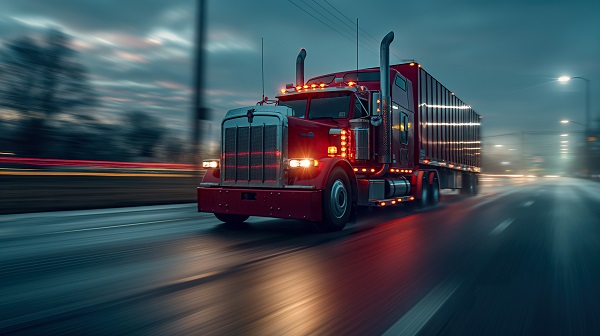
Close-up view of the front side of a red semi-truck parked on a road, with other trucks visible in the background.

Why Preserving Evidence After a Truck Accident May Get More Difficult

The Federal Motor Carrier Safety Administration (FMCSA) has recently proposed a sweeping set of 18 rule changes that could significantly impact how the trucking industry operates – and how truck accidents are investigated. These changes affect nearly every aspect of commercial motor vehicle regulation, from how inspections are conducted to the reporting requirements for carriers.

For injury victims and their families, these updates matter. When a serious crash involves an 18-wheeler or other commercial truck, the investigation that follows can make or break how much money you receive for your accident-related expenses, which can add up fast after a serious truck accident.

What are the proposed FMCSA rule changes?

In May 2024, the FMCSA announced its initial request for public comment on 18 proposed changes to its current safety regulations. This May, the FMCSA published 18 proposed changes, which the public can comment on for 60 days, according to FreightWaves.

The proposed changes are part of the agency’s "Zero-Based Regulation" (ZBR) initiative, which aims to evaluate and streamline federal trucking rules. Some of the noteworthy proposals include:

  • Removal of self-reporting requirement since violations are automatically reported electronically between state agencies.
  • Expand military exemption for commercial driver’s license (CDL) training requirements.
  • Revising inspection, repair, and maintenance recordkeeping requirements
  • Modify what constitutes “medical treatment” after an accident. Specifically, X-rays and other imaging scans would not be considered medical treatment, as they’re used solely to diagnose whether an injury has occurred.
  • Stop requiring trucking companies to send federal truck inspection reports to state agencies.
  • Update requirements for maintaining driver qualification files.
  • Adjust the rules governing hours-of-service (HOS) exemptions.
  • Modify vehicle marking requirements.
  • Review the current definition of a “commercial motor vehicle.”

While the FMCSA describes these potential changes as administrative improvements, the ripple effects could be significant. Investigators, attorneys, and injury victims rely on existing FMCSA regulations to uncover violations that may have contributed to a crash. Any proposed changes could influence how commercial truck accidents are investigated in the future.

Why FMCSA regulations matter in truck accident cases

Truck accident investigations often involve more than just police reports and witness statements. In serious cases – especially those involving catastrophic or fatal truck crashes – the National Transportation Safety Board (NTSB) may conduct its own independent investigation.

In such cases, evidence related to the truck accident often serves as the cornerstone of any truck accident claim or lawsuit. Key evidence that could be influenced by the proposed FMCSA rule changes includes:

  • Driver logs and hours-of-service records – Used to determine whether the driver was operating under fatigue or in violation of rest requirements.
  • Vehicle maintenance and inspection records – Can reveal whether the trucking company failed to keep the truck in a safe operating condition.
  • Driver qualification files – May show that a driver had a history of violations or was not properly trained.
  • Drug and alcohol testing records – Required by federal law in many situations, and can reveal safety risks.
  • Electronic Logging Device (ELD) data – Used to verify driving time, speed, and other key metrics.

If these records become harder to obtain, less detailed, or no longer required due to regulatory changes, accident victims may face additional hurdles to proving negligence, which is key when building a case against a truck driver, trucking company, or another at-fault party.

How could these rule changes impact crash victims in Texas?

Texas consistently ranks among the states with the highest number of fatal truck accidents. In fact, it’s often the state with the highest number of truck accident fatalities in a single year, according to the National Safety Council (NSC).

Specifically, there were 26,312 commercial vehicle crashes in the Lone Star State in 2023, according to the Texas Department of Transportation (TxDOT). Many of these truck accidents occurred on major highways like I-10, I-45, and I-69. In Harris County alone, more than 5,000 commercial vehicle crashes were recorded last year.

As a result, any proposed changes to FMCSA regulations governing the commercial trucking industry could have a major impact on a wide range of truck injury cases. If trucking companies face fewer reporting requirements, for example, they may be able to withhold key evidence, such as maintenance logs or driver history, that could otherwise be used to prove liability.

It could also make it harder to demonstrate patterns of noncompliance. For instance, if the FMCSA loosens documentation requirements for inspections, a company with a long history of poor maintenance may not face accountability unless more stringent state-level regulations apply.

What Are the Most Common FMCSA Violations Associated With Truck Accidents?

Even before the proposed FMCSA rule changes, certain violations have consistently contributed to serious and fatal truck crashes across Texas and the United States. These infractions often point to systemic safety issues within trucking companies and may become more challenging to detect if reporting requirements are relaxed.

According to the Federal Motor Carrier Safety Administration (FMCSA), the most frequently cited violations during roadside inspections include:

  • Hours-of-Service (HOS) Violations: Truck drivers are subject to strict limits on driving hours to prevent fatigue-related accidents. Violations such as exceeding allowable driving hours or failing to maintain accurate logbooks are common. In 2021, "False Report of Driver’s Record of Duty Status" and "No Record of Duty Status (ELD Required)" were among the top five violations cited by FMCSA.
  • Vehicle Maintenance Failures: Proper maintenance is crucial for safe operation. Common issues include inoperative lamps, brake system defects, and tire problems. The FMCSA reported that "Inoperable Required Lamp" and "Clamp/roto-chamber type brake(s) out of adjustment" were among the most cited vehicle violations.
  • Improper Driver Qualifications: Operating a commercial motor vehicle (CMV) without the proper commercial driver's license (CDL) or endorsements is a serious violation. "Operating a CMV Without a CDL" was one of the top five violations in 2021.
  • Cargo Securement Issues: Failing to properly secure cargo can lead to load shifts, increasing the risk of rollovers or loss of control. While specific statistics on cargo securement violations are less prominent, they remain a critical safety concern.
  • Distracted or Impaired Driving: FMCSA regulations prohibit the use of hand-held mobile devices while operating a CMV and mandate drug and alcohol testing. Violations in these areas can significantly increase crash risks and are very common, according to the FMCSA.

What happens next with the FMCSA proposals?

The FMCSA's proposed rule changes are still in the early stages of development. The agency is collecting feedback from the public, safety advocates, and the trucking industry as part of the rulemaking process. After reviewing comments, the FMCSA may revise or withdraw some proposals before finalizing new regulations.

Still, these proposals offer insight into how federal oversight of the trucking industry could evolve in the coming years – and why legal representation is more important than ever after a serious truck accident.

Learn how a Houston truck accident lawyer can fight for you

Commercial truck accidents are not ordinary crashes. They often involve complex federal rules, high-stakes insurance policies, and powerful corporate defendants. If you're injured in a crash involving an 18-wheeler, a delivery truck, or a commercial fleet vehicle, it's critical to speak with a law firm that knows how to investigate and build strong cases under Texas and federal law.

At Smith & Hassler, our attorneys have been fighting for crash victims in Houston for over 30 years. We understand how FMCSA regulations apply to your case, and we know how to hold negligent trucking companies accountable. That’s why we consistently obtain settlements and verdicts for clients, including $1.38 million in one truck accident case.

Contact us for a free consultation to learn more about your legal options. We’re here to listen and to help you demand the justice and compensation you deserve.

“I was rear-ended by a tractor-trailer while waiting for traffic to clear up on a busy highway and woke up seven days later in a hospital with multiple fractures. Someone from my family had contacted Smith & Hassler while I lay unconscious. It was a very wise decision. To anyone who finds themselves in a similar situation, they are the go-to guys.” – Benji S., ⭐⭐⭐⭐⭐

Motorcycle vs. Car Accidents: Why the Injuries Are So Much Worse

Motorcyclist wearing a helmet, leather vest, and jeans riding alone on a highway under a clear blue sky, with cars visible ahead in adjacent lanes.

May Is Motorcycle Safety Awareness Month — And The Risks Are Still Being Ignored

Every driver knows that motorcycles are smaller than cars, but too many still fail to understand the consequences when a crash happens. And for the rider, those consequences can be life-altering. At Smith & Hassler, our lawyers have represented countless injured bikers in Houston and across Texas, and we’ve seen the difference firsthand: when a motorcycle and a car collide, the motorcyclist almost always pays the higher price.

May is National Motorcycle Safety Awareness Month, and while the message is getting louder, the numbers remain troubling. More than 9,000 motorcycle crashes were reported in Texas last year, and thousands of riders suffered serious injuries. In one of our own cases, we secured $3.145 million for a rider who suffered a traumatic brain injury and orthopedic injuries in an intersection crash.

If you or someone you love has been hurt in a motorcycle accident, here’s why the injuries are often so severe—and what you can do to protect your rights.

Bikers Have Zero Margin for Error in a Crash

Unlike people in cars, motorcyclists don’t have the benefit of steel frames, airbags, or crumple zones. That means even a low-speed collision can lead to catastrophic outcomes. Riders are fully exposed to:

  • The full impact of the vehicle
  • Road rash from being thrown off the bike
  • Secondary collisions with other vehicles or structures

Even with proper gear, your body becomes the first point of impact. In car vs. motorcycle crashes, it’s not about who “wins”—it’s about how bad the damage is for the rider.

Common Injuries in Motorcycle Accidents

Injuries from motorcycle wrecks are rarely minor. Some of the most common include:

  • Traumatic Brain Injuries (TBIs): Even with a helmet, a violent impact can cause concussions or life-threatening brain trauma.
  • Spinal Cord Injuries: Falls or direct hits can lead to partial or total paralysis.
  • Broken Bones and Orthopedic Trauma: Arms, legs, ribs, and collarbones are frequently fractured.
  • Road Rash and Skin Damage: Severe abrasions can lead to infection, skin grafts, and permanent scarring.
  • Internal Bleeding: Not always immediately visible, but extremely dangerous if untreated.
  • Crush Injuries or Amputations: When a limb is pinned under the bike or struck by another vehicle.

These injuries often lead to long-term disability, chronic pain, and expensive medical treatments, and insurance companies are notorious for undervaluing them.

Cars Don’t See Motorcycles — But That’s Not an Excuse

Too often, drivers claim, “I didn’t see the motorcycle.” However, this is often due to inattentional blindness—drivers are looking, but their brain doesn’t register the rider because they’re focused on other things.

Motorcyclists are told to “ride like they’re invisible,” but that doesn’t mean car drivers get a free pass. Failing to see a biker isn’t a defense—it’s negligence.

At Smith & Hassler, our Houston motorcycle accident lawyers make sure that defense doesn’t fly. If a distracted or inattentive driver caused your crash, our attorneys will hold them accountable.

Intersections Are a Deadly Threat to Motorcyclists

Many of the worst motorcycle accidents happen at intersections. That’s where visibility issues, speed, and poor judgment collide—literally. Common scenarios include:

  • Cars making a left turn in front of a motorcyclist
  • Drivers running red lights or stop signs
  • Rear-end crashes when a biker is stopped at a light
  • Lane changes without checking mirrors or blind spots

In our $3.145 million case result, the crash happened in an intersection, something we see far too often in Houston.

Motorcycle Safety Isn’t Just the Rider’s Responsibility

While riders are encouraged to wear protective gear, obey speed limits, and stay alert, they can’t control how other drivers behave. TxDOT’s Motorcycle Safety Awareness Month campaign reminds all motorists to:

  • Look twice, especially at intersections
  • Use caution when turning or merging
  • Don’t tailgate motorcycles—they stop faster than cars
  • Give riders space, both laterally and when passing
  • Slow down—speed remains a top contributor to fatal crashes

Motorcycle safety is a shared responsibility. But when drivers fail to take it seriously, bikers get hurt—and we’re here to make sure they get justice.

Insurance Companies Don’t Understand Bikers—But We Do

After a motorcycle wreck, the insurance company may not understand your injuries, your bike, or your life. They’ll use outdated stereotypes, try to blame you for riding, and offer settlements that don’t come close to covering your damages.

At Smith & Hassler, our lawyers know how to push back. We know the value of your claim, and we’ll build a case that proves it. That means:

  • Investigating the crash thoroughly
  • Preserving helmet, gear, and bike damage as evidence
  • Bringing in medical and accident reconstruction experts
  • Negotiating hard, or taking your case to trial if needed

We’ve recovered millions for Texas riders, and we won’t stop until you get what you deserve.

Protect Your Rights After a Motorcycle Crash

If you were hit while riding in Houston or anywhere in Texas, don’t assume the insurance company has your best interests in mind. Talk to a law firm that knows motorcycles, respects riders, and takes every case personally.

May is Motorcycle Safety Awareness Month—but at Smith & Hassler, we fight for riders every day of the year.

Tell them you mean business. Contact us today for a free consultation.

"I'm so thankful that I chose Smith and Hassler to represent me in my auto collision case. I would recommend them to anyone who found themselves in a similar situation as myself. Daragh Carter was the best lawyer! He is extremely timely in answering emails/phone calls, he explained the entire process thoroughly, and was successful in getting me the outcome I wanted! Such a great firm!" - Diana O., ⭐⭐⭐⭐⭐

New Data Links Most Truck Wrecks to Cell Phone Use

A bearded truck driver wearing a cap talking on the phone while holding a device in his other hand, sitting behind the wheel during sunset.

Distracted truck drivers aren’t just putting themselves at risk—they’re putting all of Houston in danger. When a fully loaded 80,000-pound big rig barrels down I-10 or Highway 59 and the driver is looking at a screen instead of the road, the results can be catastrophic. And according to a new industry report, it’s happening more often than most people think.

A 2025 survey from Teletrac Navman found that 70% of commercial fleets have been impacted by distracted driving incidents, with cell phone use cited as the top cause by 68% of businesses. These aren’t just close calls—they’re serious truck accidents causing real injuries, real financial losses, and real lives forever changed.

So what does this mean for Texas drivers, especially here in Houston—one of the most dangerous metro areas in the country? And how can victims hold trucking companies accountable when their drivers cause devastating wrecks because of distraction?

Let’s break it down.

Cell Phones Are Driving Up the Danger on Texas Roads

Distracted driving isn’t new. But what’s changed is the intensity of the problem inside the trucking industry.

Fleet operators who took part in the Teletrac Navman study said cell phone use is now the leading cause of distracted driving incidents. That means truck drivers are actively texting, swiping, watching videos, or using apps behind the wheel of vehicles that can crush a passenger car in seconds.

Some of the reported business consequences of distracted driving included:

  • 49% said it caused direct financial losses
  • 40% cited operational disruptions
  • 28% faced compliance violations
  • 25% suffered reputational damage

These numbers aren’t just bad for business—they reflect what’s happening out on real roads, where Houston drivers are paying the price for trucking company negligence.

Why Truck Drivers Are Still Using Phones on the Job

Despite strict federal regulations banning handheld cell phone use for commercial drivers, many truckers still engage in risky behavior. Why?

Here are a few common reasons:

  • Pressure from employers to meet tight delivery schedules
  • Lack of enforcement or monitoring by the company
  • Driver fatigue or boredom during long hauls
  • Overconfidence in their ability to multitask safely

Some trucking companies claim they train their drivers, but the Teletrac Navman survey shows that training alone isn’t always enough. The most effective programs combine telemetry tools, forward-facing cameras, and in-cab monitoring—but not every fleet invests in that kind of safety technology.

And even when they do, those tools are only useful if the data is actually reviewed and acted on.

What Happens When a Distracted Truck Driver Causes a Crash?

When a trucker is distracted and causes a wreck, the consequences can be devastating:

Unfortunately, many victims don’t realize that the trucking company may be legally responsible—not just the individual driver.

Under Texas law, victims can often pursue a claim against:

  • The trucking company, for negligent hiring or lack of supervision
  • The driver, for failing to follow federal and state rules
  • A third-party contractor, such as a dispatch service that encouraged unsafe scheduling

Distracted driving isn’t just careless—it’s negligent. And when a trucking company puts a driver on the road who isn’t fully focused, they may be liable for every injury, lost income, or wrongful death that results.

Proving Cell Phone Use in a Truck Accident Case

Trucking companies don’t usually admit their drivers were texting or using apps. In fact, they’ll do everything possible to avoid blame.

That’s why it takes an aggressive investigation to prove what really happened. At Smith & Hassler, our Houston truck accident lawyers know how to build a distracted driving case using:

  • Phone records from the truck driver’s carrier
  • Black box (EDR) data from the commercial vehicle
  • Dashcam footage or forward-facing video
  • Telematics reports showing sudden braking or erratic driving
  • Eyewitness statements about driver behavior before the crash

By connecting the dots between phone use and the timing of the accident, our attorneys can help show how distraction directly caused the wreck—and why victims deserve full compensation.

Smith & Hassler Holds Trucking Companies Accountable

In a city like Houston—where truck traffic never stops and serious collisions happen every day—there’s no room for distracted driving behind the wheel of a big rig. If you’ve been hit by a truck driver who wasn’t paying attention, you need a law firm that knows how to fight back.

At Smith & Hassler, we’ve been standing up for injured Texans for more than 30 years. Our team has recovered over $1 billion for victims across Houston and throughout Texas. We understand how truck accident cases work—and we know what it takes to get results when trucking companies try to deny, delay, or shift the blame.

From the moment you call us, we’ll get to work:

  • Investigating the crash and preserving key evidence
  • Taking on the insurance company and pushing back against lowball offers
  • Preparing every case as if it’s going to trial—because that’s what moves the needle

We don’t back down. And we don’t settle for less than what our clients deserve.

Talk to a Houston Truck Accident Lawyer Who Knows How to Win

If you were injured—or if you lost someone you love—because a truck driver was distracted by a cell phone, don’t try to handle the case on your own. The trucking company has lawyers on its side. You should too.

Give us a call or contact us online today to schedule a free consultation. There’s no cost to talk with us, and you don’t owe us anything unless we win.

"Al Hassler is a fantastic lawyer. He educated me so much on what I was entitled to and provided great guidance, advice, and support. I am extremely happy with my settlement. I highly recommend this law firm. Very trustworthy and excellent service." — Danae Q., ⭐⭐⭐⭐⭐

The Long-Term Impact of a Brain Injury After a Semi-Truck Collision

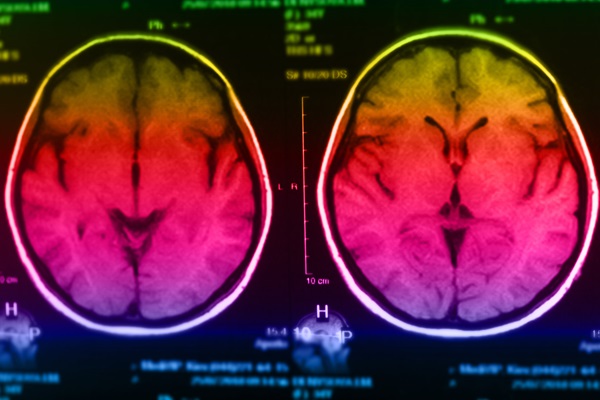
Color-enhanced MRI scan of a human brain showing two symmetrical cross-sectional images with detailed neural structures.

March is Brain Injury Awareness Month, a time to reflect on the devastating impact of traumatic brain injuries (TBIs) and the challenges survivors face. For those injured in semi-truck accidents, the consequences can be life-altering. These massive vehicles cause high-impact collisions, which leave victims with severe head trauma that can affect them for the rest of their lives.

Unlike a minor fender bender, a tractor-trailer wreck can lead to permanent brain damage that changes a person’s ability to work, engage in relationships, and complete daily tasks. If you or a loved one suffered a TBI in a Texas truck accident, here's what you should know about the long-term effects and the potential legal options available to you.

Why are semi-truck collisions more dangerous than other crashes?

A fully loaded semi-truck can weigh up to 80,000 pounds, making any crash with a smaller vehicle catastrophic. Unlike standard car accidents, semi-truck crashes result in a higher rate of TBIs due to:

  • Severe force of impact: The weight and speed of an 18-wheeler create an enormous amount of energy transfer, which can lead to serious head trauma.
  • Vehicle rollovers and crushing accidents: Passenger cars often suffer the brunt of the damage, which exposes occupants to direct head injuries.
  • Height difference: A truck’s height can result in a direct impact on a car’s windshield or roof.
  • Flying debris: When a semi-truck jackknifes or overturns, metal fragments, shattered glass, and cargo can hit a victim’s head, which can cause penetrating injuries.

How truck accidents cause traumatic brain injuries

A TBI from a truck accident can occur in several ways, including:

  • Direct impact trauma: The head strikes the dashboard, window, or steering wheel, causing contusions or skull fractures.
  • Concussions: Often dismissed as minor, concussions can cause memory problems, confusion, and chronic headaches. Repeated concussions can lead to permanent cognitive issues.
  • Contusions: Bruising on the brain can cause swelling and pressure, sometimes requiring surgical removal.
  • Hematomas: Blood clots inside the brain can increase pressure and lead to life-threatening complications.
  • Skull fractures: A break in the skull increases the risk of infection and long-term neurological damage.
  • Coup-contrecoup injuries: The force of the collision causes the brain to bounce against the skull, which often leads to bruising, swelling, and nerve damage.
  • Diffuse axonal injuries (DAIs): High-speed truck crashes can tear nerve fibers in the brain, which often causes permanent neurological impairment.
  • Penetrating injuries: Glass, debris, or shattered metal can pierce the skull, which can result in severe and permanent brain damage.

Symptoms, long-term effects of a TBI

Brain injury symptoms can appear within minutes, hours, or even days after an accident. Even if symptoms seem mild at first, a TBI can worsen over time, making early medical intervention essential. Common immediate signs include:

  • Severe headaches and dizziness
  • Memory loss or difficulty concentrating
  • Slurred speech or confusion
  • Sensitivity to light and sound
  • Loss of consciousness (in severe cases)
  • Sudden personality changes, aggression, or depression

For many truck accident victims, a traumatic brain injury is not just a temporary setback; it’s a lifelong struggle. Unlike many injuries that heal over time, TBIs can leave lasting physical, emotional, and cognitive impairments. The long-term effects can include:

Cognitive decline makes daily life harder

Memory loss, trouble focusing, and difficulty processing information are common challenges for TBI survivors. Simple tasks, such as following a conversation or remembering important details, become frustrating. Many victims experience impaired judgment, which makes it harder to manage responsibilities, work, or live independently.

Chronic pain can be debilitating

Head injuries often come with persistent migraines, headaches, and neck pain. These symptoms can linger for years. This can make it difficult for victims to concentrate, sleep, or engage in physical activities. Pain management becomes a part of daily life and often requires ongoing medical treatment.

Emotional and behavioral changes impact relationships

TBIs affect more than just the brain; they change how people feel and react. Many survivors suffer from anxiety, depression, PTSD, mood swings, and irritability, which often impact relationships with family and friends. Additionally, mood changes can lead to social withdrawal and isolation.

Loss of independence takes a toll

For some, a TBI means losing the ability to drive, work, or handle daily responsibilities. Simple tasks, like cooking, grocery shopping, or managing finances, may require assistance. Many victims rely on caregivers, which can strain relationships and create financial hardship.

Seizures and epilepsy remain a long-term risk

One of the most serious complications of a TBI is the increased risk of seizures or post-traumatic epilepsy. Even years after the injury, some victims develop seizure disorders and require lifelong medication and medical supervision.

How a Houston brain injury attorney can help after a truck accident

If a reckless or negligent truck driver was responsible for the accident that caused your brain injury, you have the right to seek compensation for your losses. Unfortunately, insurance companies often dispute brain injury claims, which can make it difficult to get the medical care and financial support you need. The Houston brain injury lawyers at Smith & Hassler won't let the insurance companies take advantage of your situation.

For over 30 years, we have helped injury victims just like you recover the compensation they deserve. That includes $1.38 million for two clients who suffered brain injuries in a truck accident. We know that TBIs are serious and life-altering, and we build strong cases to prove it by gathering medical records, accident reports, and expert testimony to hold negligent drivers accountable.

At Smith & Hassler, we offer legal representation on a contingency fee basis, which means you don’t pay anything unless we win your case. Plus, we offer free consultations to discuss your options and answer any questions. If you can’t make it to our office, we’ll come to you, whether at home, in the hospital, or wherever is easiest for you.

To get started, contact us today to schedule your free case consultation and take the first step toward justice and recovery.

“I’m so thankful that I chose Smith and Hassler to represent me in my auto collision case. I would recommend them to anyone who found themselves in a similar situation as myself.” – D.O., ⭐⭐⭐⭐⭐